
facebook
rss
twitter
youtube
pinterest
  • Home
  • About
    • The Host, Nan Sterman
    • Awards and Reviews
    • Behind the Scenes
  • Videos
    • Clips/Segments
  • TV Schedule
    • Episode 701: The Beautiful Bromeliad
    • Episode 702: Beans, Beans – The Magical Legume
    • Episode 703: Grow Tiny
    • Episode 704: Food Is A Terrible Thing To Waste!
    • Episode 705: The Big Bloom
    • Episode 706: Gardening as a Community
    • Season 6
      • Episode 601: From Fruit to Nuts
      • Episode 602: Intoxicating Plumeria
      • Episode 603: The Art of a Garden
      • Episode 604: From Farm to Fork
      • Episode 605: Growing A Greener Golf Course
      • Episode 606: Plants: The Endangered Species
    • Season 5
      • Episode 501: Homegrown Hops – Local Flavor for Local Brews
      • Episode 502: Distant Roots And Tasty Shoots – Plants At The Zoo
      • Episode 503: The Story Of Seeds – From Breeding To Eating
      • Episode 504: Aquaponics – Fish Poop To Plant Roots
      • Episode 505: Urban Forests – Trees And Plants In The City
      • Episode 506: Wild And Wooly – Native Bee Pollinators
    • Season 4
      • Episode 401: Flowers and Floats – The Rose Parade
      • Episode 402: Citrus – California’s Second Gold Rush
      • Episode 403: Beneficial Insects
      • Episode 404: Bye, Bye Grass – How To Remove Your Lawn
      • Episode 405: After the Lawn is Gone – Waterwise Gardens
      • Episode 406: All About Algae
    • Season 3
      • Episode 301: Balboa Park: The Garden Faire
      • Episode 302: Big Trees: Giants Among Us
      • Episode 303: Garden Tours & Garden Shows: Finding Garden Inspiration
      • Episode 304: Preserve the Harvest
      • Episode 305: Coming to a Nursery Near You
      • Episode 306: How Water Flows
    • Season 2
      • Episode 201: From Vines and Wines
      • Episode 202: Chaparral, The Elfin Forest
      • Episode 203: Green Roofs
      • Episode 204: New Models of Farming
      • Episode 205: With Food and Justice for All
      • Episode 206: Growing Dreams and Memories
    • Season 1
      • Episode 101: The Business of Blooms
      • Episode 102: California Native Grown
      • Episode 103: Grow Your Own
      • Episode 104: Waterwise and Wonderful
      • Episode 105: Cycle and Recycle
      • Episode 106: Garden in a Pot
  • Explore More
  • Support The Show
  • Blog
  • Sponsors & Supporters
    • Founders
  • Shop
  • Contact

Pollinator Secrets – Part I

July 09, 2016
by Nan
almond, bee, blueberry, bumble bee, butterfly, digger bee, flower, fly, fruit, honey, honeybee, housefly, mason bee, moth, ovary, pistil, pollen, pollenizer, pollination, pomegranate, squash, stamen, tea, watermelon
0 Comment

— Nan Sterman

Sex is complicated in the plant world. Flowers have male and female parts; some have both, some have one or the other. A male flower part is called a “stamen,” that’s

where the pollen is. Pollen is the plant world equivalent of sperm. The female flower part is called the “pistil.” The base of each pistil is an ovary.

In the simplest terms, flowers get fertilized when pollen reaches the ovary. That starts the process of the flower transforming into a fruit, inside of which are seeds that make the next generation of plants.
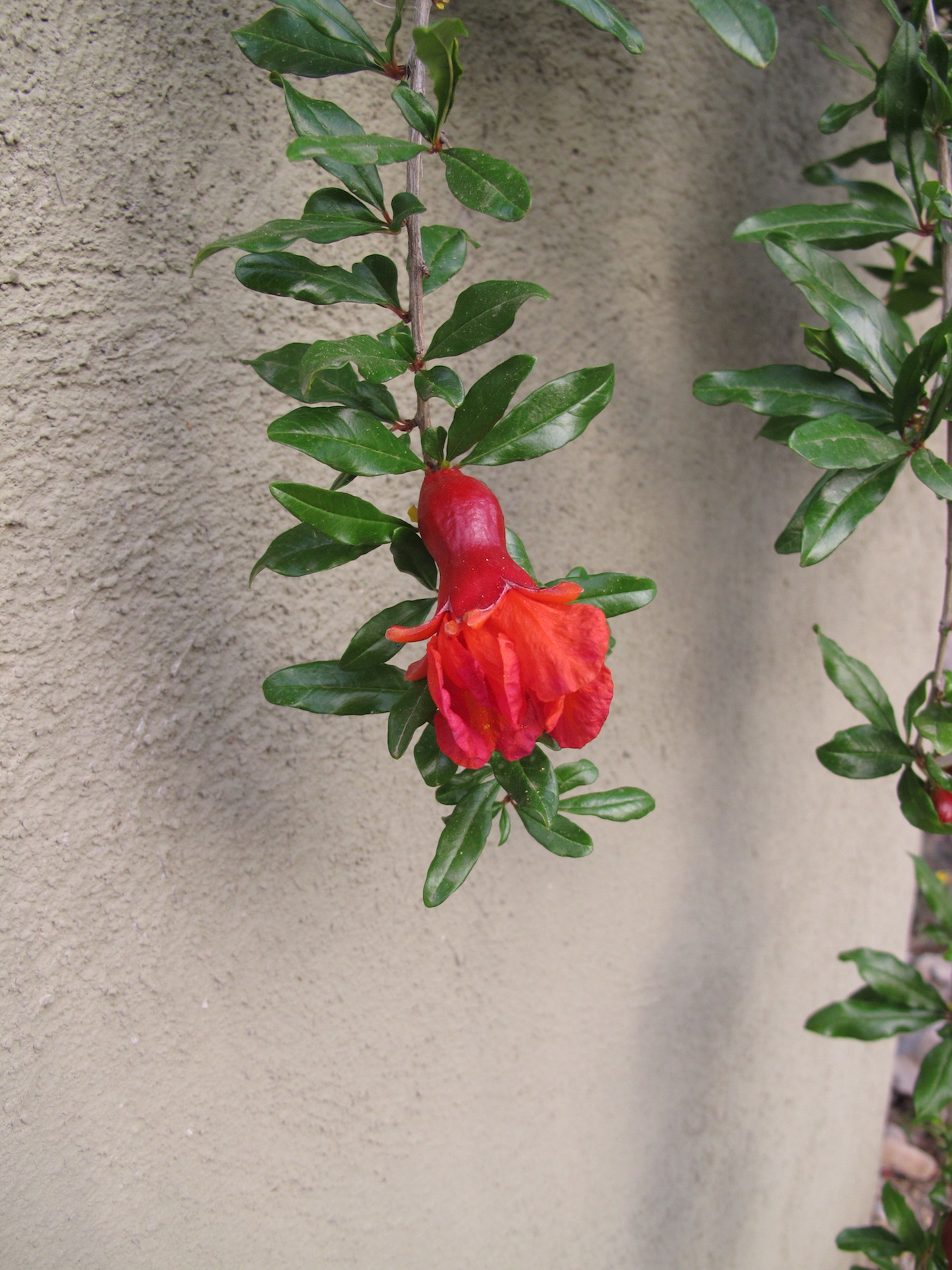
The swelling at the base of the pomegranate flower is the beginning of a pomegranate fruit.

The swelling at the base of the pomegranate flower is the beginning of a pomegranate fruit.

If you grow squash, you’ve probably seen this process though you might not recognize it. Squash plants make separate male flowers and female flowers but both grow on every plant. The female flowers have a slight swelling at the base of the petals. That swelling is their ovary. When pollen from the male flower fertilizes the female flower, the ovary begins to develop into the “fruit” we know as squash.

Since a fly or a bee can pick up pollen from a single male squash flower and move it to many female squash flowers, for vegetable gardening purposes, just a few male flowers can service many females (no jokes please). Since the male flower doesn’t have an ovary, it can’t form a squash. That’s why we harvest the male flowers to make stuffed squash blossoms.

The male/female distinction may be confusing to us but it’s not to pollinators. They visit flower after flower in search of sweet nectar and/or pollen, both important food sources for pollinators and their offspring. While they move pollen from flower to flower by happenstance, pollinators do the critical work that produces about a third of the fruits and vegetables we eat.

Who’s a pollinator?

Honeybees are the pollinators we hear about most often. They pollenate everything from oranges to almonds, watermelon to blueberries. And in the process, they produce honey we use to sweeten tea, baked goods, and other yummy things.

http://agrowingpassion.com/wp-content/uploads/2016/07/Bees-collecting-pollen-video.m4v

As important as honeybees are, most are European imports, brought to America about 400 years ago and naturalized across the continent.

European honeybees are just one kind of bee pollinator. California is home to 16,000 species of native bees like native digger bees, bumble bees, mason bees and others that also move pollen from one flower to the next.

Butterflies and moths pollinate flowers too, as do hummingbirds, bats, and even the common houseflies.

Watch for part II, next week
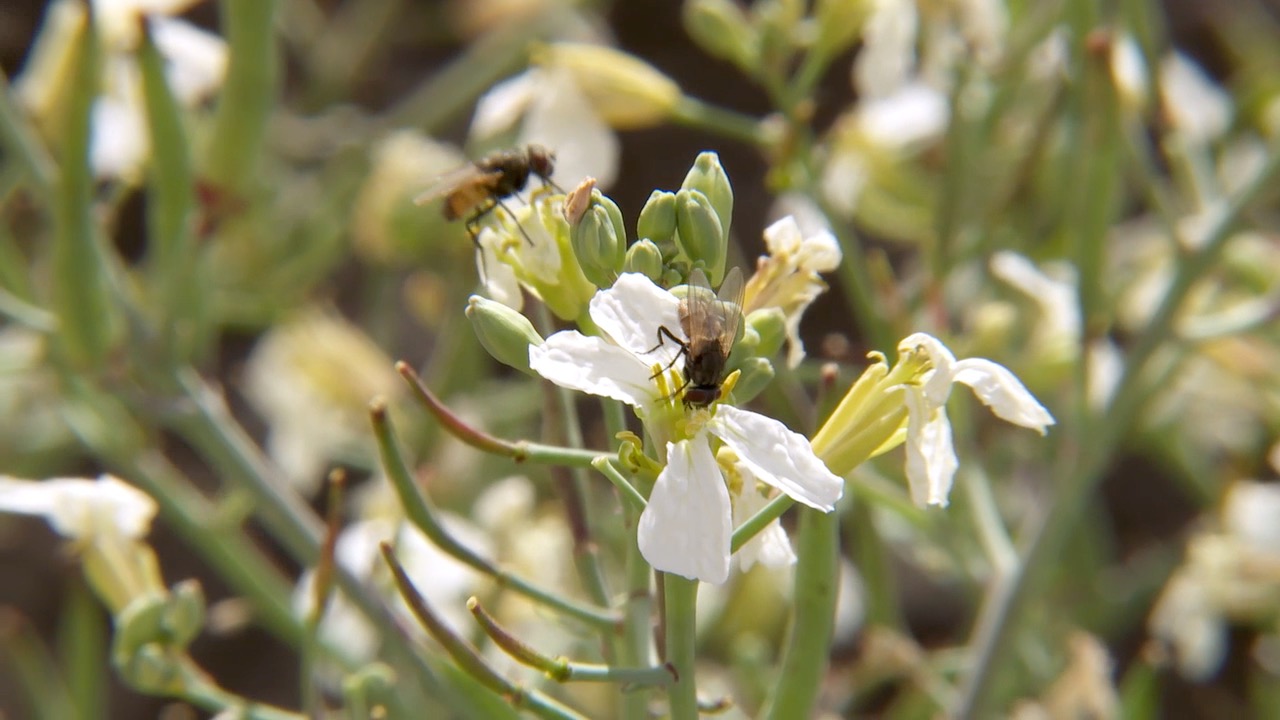
Common house flies hard at work pollenating radishes

Common house flies hard at work pollenating radishes

About the Author
California native Nan Sterman is host, co-producer, and co-writer of A Growing Passion, a television show that explores the ways plants power the planet, from farms and nurseries to backyards and schoolyards, rooftop gardens, community gardens, native habitats and more.
Social Share
  • google-share

Leave a Reply Cancel reply

*
*


Popular Posts

A big fried egg sized bloom
Grow a Fried Egg Plant - Matilija poppy
38 Comments
Tree babies
How to Water Your Trees
8 Comments
Stolons make Bermuda grass a challenge to remove
Whether Weed Cloth?
7 Comments

Categories

  • Agriculture
  • Animals
  • Art
  • Behind the Scenes
  • Botanical Garden
  • Community
  • Community Supported Agriculture
  • Cooking
  • Design
  • Explore More
  • Farm
  • Farm-to-Table
  • Food Justice
  • Fruit
  • Garden
  • Gardening
  • Gifts
  • History
  • How-to
  • Insects
  • Nan Sterman
  • Native Habitat
  • Nursery
  • Organic Farming
  • Plants
  • Projects
  • Public Gardens
  • Research
  • Tour
  • Travel
  • Vegetable Gardening
  • Waterwise
  • What's New
  • What's Trending

Archives

Contact Us

AGP Productions, LLC
PO Box 231034
Encinitas, CA 92023
info@agrowingpassion.com

Follow Us!

Follow Us on FacebookFollow Us on TwitterFollow Us on InstagramFollow Us on PinterestFollow Us on YouTubeFollow Us on RSS

Press

  • Media
  • Press
Ask-Nan
All Content and Images © 2018 AGP Productions, LLC | Privacy Policy
Designed by Belladia Marketing and Design